
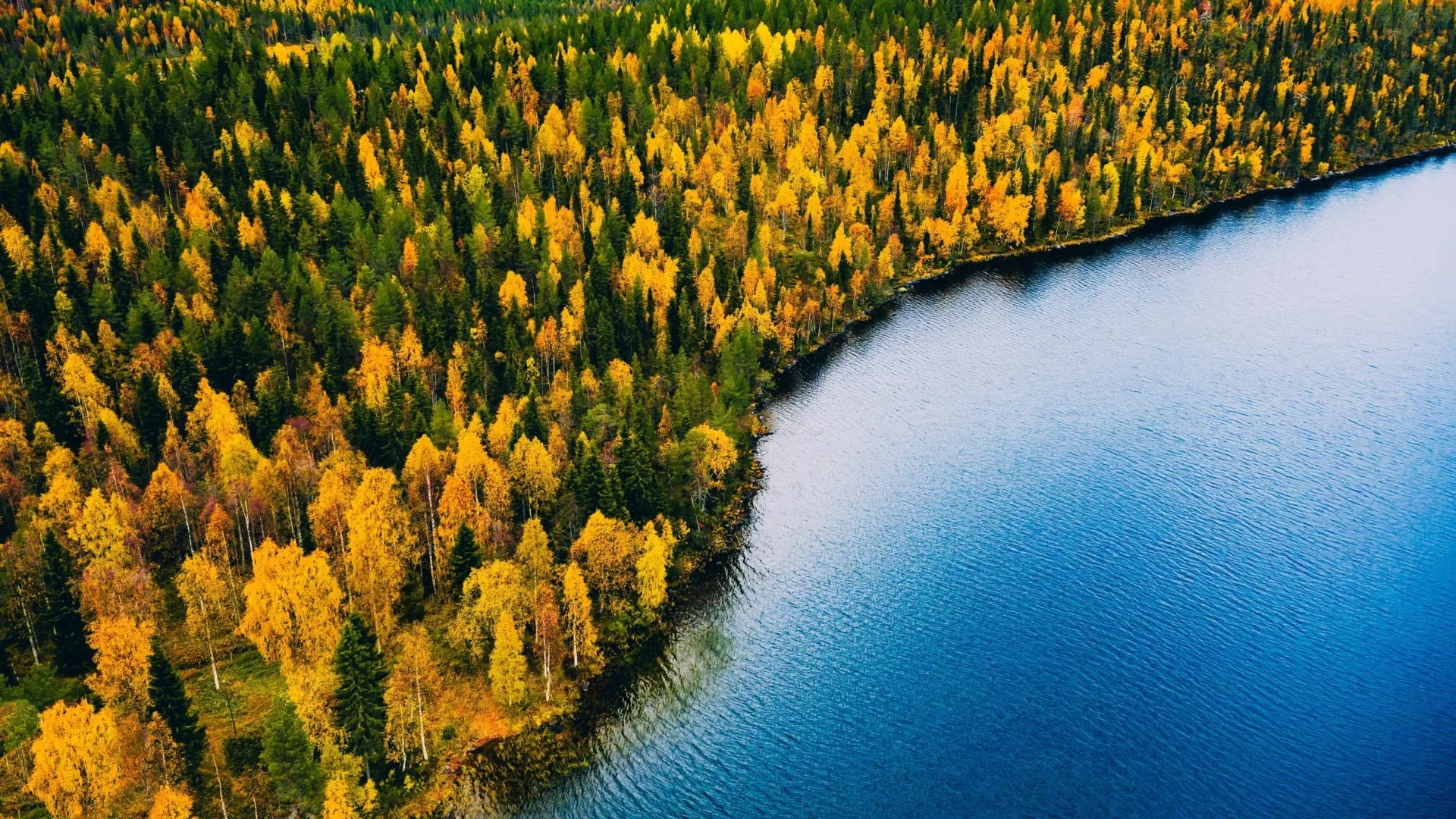
دوغر لاند: مملكة الغابات الغارقة التي أعادت كتابة التاريخ!
هل تخيلت يوماً أن هناك عالماً كاملاً، غنياً بالحياة والنباتات، كان يزدهر تحت أقدامنا، قبل أن تبتلعه الأمواج وتُخفيه عن الأنظار لآلاف السنين؟ هذا ليس خيالاً علمياً، بل هو قصة "دوغر لاند"، الجسر البري الذي ربط يوماً بريطانيا العظمى بأوروبا القارية، والذي يكشف لنا اليوم عن أسرار لم نكن لنتخيلها. فما كان يُعتقد أنه مجرد سهل جليدي قاحل، يتضح الآن أنه كان جنة خضراء تضج بالحياة، وتحمل في طياتها مفاجآت غيّرت تماماً فهمنا لتاريخ الغابات القديمة في أوروبا.
همسات الجينات: غابات دوغر لاند تكشف عمرها الحقيقي
لطالما اعتقد العلماء أن دوغر لاند، هذه الأرض الشاسعة التي غرقت تحت بحر الشمال، كانت منطقة قاحلة متأثرة بالعصور الجليدية، وأن الغابات لم تبدأ بالظهور فيها إلا في مراحل متأخرة نسبياً. لكن العلم الحديث، وتحديداً تحليل الحمض النووي (DNA) للبقايا المكتشفة، جاء ليقلب هذه الفرضية رأساً على عقب. فقد أظهرت النتائج المذهلة أن غابات كثيفة من أشجار البلوط والدردار والبندق كانت تزدهر في هذه المنطقة قبل أكثر من 16 ألف عام! هذا التاريخ يسبق التقديرات السابقة بآلاف السنين، مما يشير إلى أن دوغر لاند كانت بيئة خصبة ومضيافة للحياة النباتية، وربما الحيوانية والبشرية أيضاً، في وقت أبكر بكثير مما كنا نتصور. هذا الاكتشاف لا يغير فقط تصورنا عن دوغر لاند، بل يعيد رسم الخريطة الزمنية لانتشار الغابات في شمال غرب أوروبا بعد العصر الجليدي الأخير.
عودة من الماضي السحيق: أشجارٌ يُعتقد أنها انقرضت
المفاجأة لم تتوقف عند هذا الحد! فبين عينات الحمض النووي التي تم تحليلها، عثر الباحثون على آثار لنوع من الأشجار كان يُعتقد أنه قد اختفى تماماً من المنطقة قبل مئات الآلاف من السنين. هذا الكشف المذهل يثير تساؤلات عميقة حول قدرة الطبيعة على الصمود والتكيف، وكيف يمكن للأنواع أن تبقى حية في مناطق معزولة أو بطرق غير متوقعة لفترات طويلة جداً. إن وجود هذا النوع من الأشجار يعطينا لمحة عن التنوع البيولوجي المدهش الذي كان يميز دوغر لاند، ويشير إلى أن هذه الأرض الغارقة كانت بمثابة ملجأ بيئي حافظ على أنواع نباتية فريدة، ربما لم نكن لنتعرف عليها لولا هذا التقدم التكنولوجي في تحليل الحمض النووي القديم.
دوغر لاند: نافذة على ماضي كوكبنا ومستقبله
إن قصة دوغر لاند، من أرض خصبة إلى عالم غارق، هي أكثر من مجرد حكاية أثرية؛ إنها نافذة على التغيرات المناخية الهائلة التي شهدها كوكبنا عبر العصور، وتأثير ارتفاع مستويات سطح البحر على الجغرافيا والحياة. هذا الاكتشاف يعيد صياغة فهمنا لكيفية استعمار البشر للمناطق الشمالية من أوروبا، وكيف تفاعلت المجتمعات البدائية مع بيئة طبيعية متغيرة باستمرار. كما يذكرنا بأن الأرض تخفي تحت أمواجها ورمالها الكثير من الأسرار التي تنتظر من يكتشفها، وأن ما نعتبره "مفقوداً" قد يكون مجرد "مخفي" بانتظار التقنية المناسبة للكشف عنه.
ما الأسرار الأخرى التي تعتقدون أن المحيطات تخفيها عنّا، والتي قد تغير فهمنا لتاريخ كوكبنا؟
— English version below —
Doggerland's Lost Forests: DNA Rewrites the History of a Submerged World
Imagine a vibrant, teeming land, rich with life and lush forests, that once thrived where today only cold waves crash. This isn't a fantasy, but the forgotten reality of "Doggerland," the land bridge that once connected Great Britain to continental Europe. Now, this submerged world is beginning to reveal secrets we never imagined, transforming our understanding of ancient European forests. What was once believed to be a barren, glacial plain is now emerging as a verdant paradise, holding surprises that fundamentally alter our perception of prehistoric ecosystems.
Whispers from the Genes: Doggerland's Forests Unveil Their True Age
For a long time, scientists believed Doggerland, the vast landmass now submerged beneath the North Sea, was a largely desolate region heavily impacted by ice ages. Forests, it was thought, only began to appear there much later. However, cutting-edge science, specifically DNA analysis of recovered remains, has turned this theory on its head. Astonishing new evidence reveals that dense forests of oak, elm, and hazel were flourishing in this area over 16,000 years ago! This timeline pushes back previous estimates by thousands of years, indicating that Doggerland was a fertile and hospitable environment for plant life—and likely animal and human life too—much earlier than previously conceived. This discovery not only reshapes our perception of Doggerland but also redraws the chronological map for the spread of forests in northwestern Europe after the last glacial period.
A Ghost from the Deep Past: The Resurfacing of a Vanished Species
The surprises didn't stop there. Among the DNA samples analyzed, researchers detected traces of a tree species that was believed to have vanished completely from the region hundreds of thousands of years ago. This remarkable revelation raises profound questions about nature's resilience and adaptability, and how species can persist in isolated areas or through unexpected means for incredibly long durations. The presence of this "vanished" tree offers a glimpse into the astonishing biodiversity that characterized Doggerland, suggesting that this submerged land served as an ecological refuge, preserving unique plant species that we might never have known about without this technological leap in ancient DNA analysis.
Doggerland's Enduring Legacy: A Window to Our Planet's Past and Future
The story of Doggerland, from a fertile land to a submerged world, is more than just an archaeological tale; it's a profound window into the immense climatic shifts our planet has undergone through the ages, and the impact of rising sea levels on geography and life. This discovery reshapes our understanding of how humans colonized northern Europe and how early societies interacted with a constantly changing natural environment. It also reminds us that beneath the waves and sands, the Earth hides countless secrets waiting to be unearthed, and that what we consider "lost" might merely be "hidden," awaiting the right technology to reveal it.
What other secrets do you believe our oceans are concealing that could completely change


0 تعليقات