
عندما تبرد الشمس: هل كانت 'صن شاين' صرخة تحذير منسيّة للبشرية؟
شاهد الفيديو
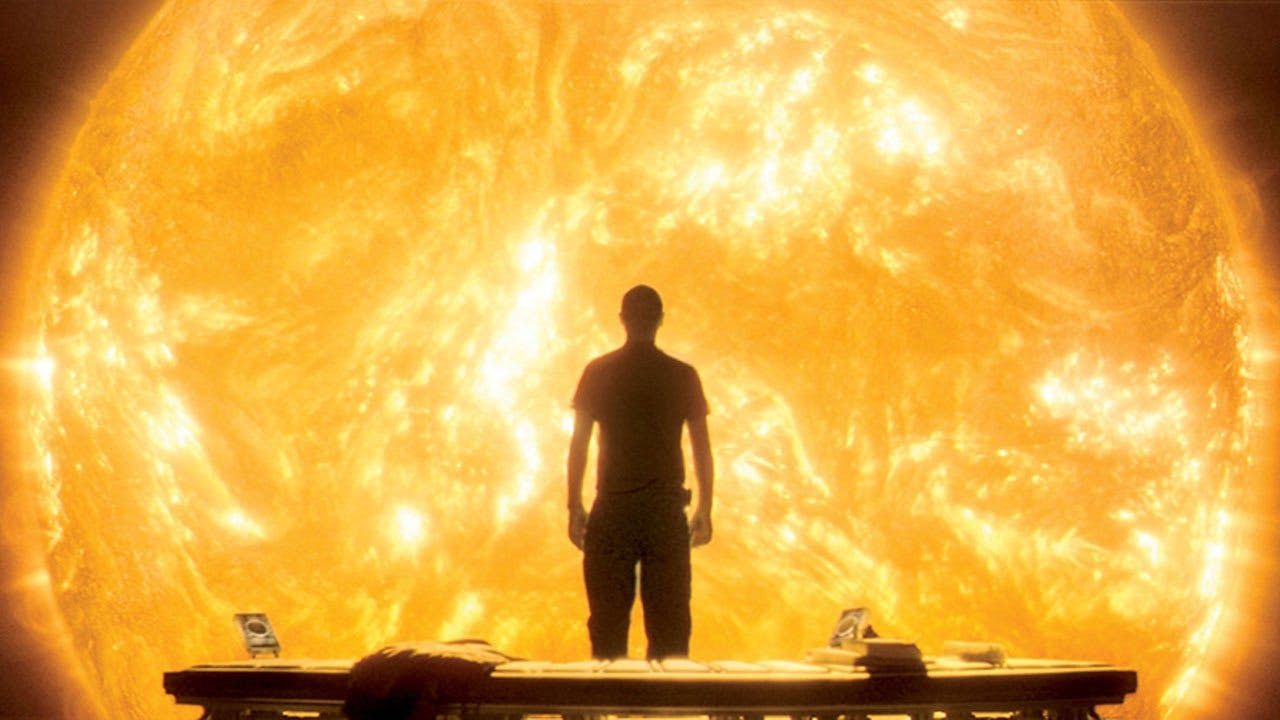
ماذا لو بدأت شمسنا، مصدر الحياة على كوكبنا، في الاحتضار ببطء؟ ماذا لو أصبحت مهمة البشرية الأخيرة هي إشعالها من جديد في رحلة انتحارية إلى قلب المجهول؟ هذه ليست مجرد تساؤلات وجودية، بل هي جوهر فيلم "صن شاين" (Sunshine) الذي صدر عام 2007، والذي لم يكن مجرد فيلم خيال علمي آخر، بل كان تجربة سينمائية عميقة ومظلمة، غاصت في أعماق اليأس البشري والأمل الأخير، مقدمًا رؤية مرعبة لمستقبل قد لا يكون بعيدًا جدًا.
الشمس تحتضر: مهمة إيكاروس الأخيرة
في عام 2057، تواجه الأرض كارثة بيئية لم يشهدها التاريخ؛ الشمس تحتضر وتتلاشى، مهددةً بإنهاء كل أشكال الحياة. في محاولة يائسة لإنقاذ البشرية، يتم إرسال المركبة الفضائية "إيكاروس 2" (Icarus II) في مهمة بالغة الخطورة: حمل قنبلة نووية بحجم مدينة صغيرة وإلقائها في قلب الشمس لإعادة إشعالها. هذا هو المحور الأساسي الذي تبدأ به القصة، حيث نجد طاقمًا من ثمانية رواد فضاء، يمثلون آخر أمل للبشرية، ينطلقون في رحلة بلا عودة نحو مصدر الحياة والموت في آن واحد. الفيلم لا يكتفي بعرض التحديات التقنية للمهمة، بل يغوص في التوتر النفسي الذي يواجهه الطاقم، محاطين بالصمت المطلق والفراغ الكوني، مع كل يوم يمر يقتربون أكثر من نهايتهم المحتملة.
ما وراء المأساة: صراع الإنسان والنفس في الفضاء
لكن "صن شاين" ليس مجرد فيلم عن مهمة فضائية. إنه رحلة إلى عوالم أعمق من الظلام الكوني، رحلة داخل النفس البشرية. مع تقدم الطاقم نحو الشمس، تبدأ العزلة والخوف والضغط الهائل في النيل منهم. يبرز الفيلم صراعاتهم الداخلية، الشكوك التي تتسرب إلى قلوبهم، والقرارات الأخلاقية الصعبة التي يجب عليهم اتخاذها. تتصاعد وتيرة الأحداث عندما يكتشفون إشارات من المركبة "إيكاروس 1" المفقودة، ما يدفعهم إلى تغيير مسارهم، وهنا تبدأ القصة في التحول من مغامرة فضائية إلى مزيج من التشويق النفسي والرعب. الأسئلة عن الإيمان، التضحية، وما يعنيه أن تكون إنسانًا في مواجهة الفناء، تتجلى بوضوح، مما يجعل الفيلم تجربة تأملية أكثر من كونه مجرد عرض بصري مذهل.
إرث الشمس: لماذا لا تزال 'صن شاين' تثير الجدل؟
على الرغم من مرور سنوات على عرضه، لا يزال فيلم "صن شاين" يحظى بمكانة خاصة بين عشاق الخيال العلمي. إنه تحفة فنية تجمع بين الإخراج البصري المذهل للمخرج داني بويل، والتأثيرات الصوتية التي تزيد من الإحساس بالوحدة والرهبة، والسيناريو المحكم الذي لا يخلو من الفلسفة. لقد قدم الفيلم رؤية فريدة وواقعية بشكل مخيف لمستقبل البشرية، حيث لا يكون العدو كائنًا فضائيًا، بل الموت البطيء لنجمنا الأم، والتحديات التي يفرضها هذا المصير على الروح البشرية. إنه يذكرنا بأن أعظم التحديات قد لا تكون في استكشاف المجهول، بل في مواجهة أنفسنا في أقصى الظروف.
هل تعتقد أن البشرية مستعدة لمواجهة مثل هذا المصير الكوني، أم أننا سنكون دائمًا على حافة الهاوية، ننتظر معجزة لإنقاذنا؟
Sunshine: A Haunting Sci-Fi Odyssey into Humanity's Last Stand
What if our sun, the very source of all life on Earth, began to slowly fade? What if humanity's final, desperate mission was to reignite it in a suicidal journey into the unknown? These aren't just philosophical musings; they are the core premise of "Sunshine," the 2007 film that transcended typical science fiction. It delivered a profound and dark cinematic experience, delving into the depths of human despair and ultimate hope, presenting a chilling vision of a future that might not be so far-fetched.
The Dying Star: Icarus's Final Journey
In the year 2057, Earth faces an unprecedented ecological catastrophe: the sun is dying, threatening to extinguish all life. In a desperate attempt to save humanity, the spacecraft "Icarus II" is dispatched on a perilous mission: to deliver a nuclear bomb the size of Manhattan into the heart of the sun to restart it. This forms the central premise of the story, where a crew of eight astronauts, representing humanity's last hope, embark on a one-way journey towards the source of both life and death. The film doesn't merely showcase the technical challenges of such a mission; it plunges into the psychological tension experienced by the crew, surrounded by absolute silence and the cosmic void, each passing day bringing them closer to their potential demise.
Beyond Catastrophe: Humanity's Internal Struggle in Space
"Sunshine" is far more than just a space mission film. It's a voyage into realms deeper than cosmic darkness, a journey within the human psyche itself. As the crew progresses towards the sun, isolation, fear, and immense pressure begin to take their toll. The film highlights their internal conflicts, the doubts that seep into their hearts, and the difficult moral decisions they are forced to make. The intensity escalates when they discover signals from the long-lost "Icarus I," prompting them to alter their course. This is where the narrative shifts from a space adventure to a blend of psychological thriller and horror. Questions about faith, sacrifice, and what it means to be human in the face of annihilation become vividly apparent, making the film a contemplative experience rather than just a visually stunning spectacle.
The Sun's Legacy: Why "Sunshine" Continues to Spark Debate
Despite the years since its release, "Sunshine" holds a special place among science fiction enthusiasts. It is an artistic masterpiece that combines director Danny Boyle's stunning visual direction, sound design that amplifies the sense of solitude and dread, and a tightly woven, philosophical screenplay. The film presented a unique and terrifyingly realistic vision of humanity's future, where the adversary isn't an alien entity, but the slow death of our parent star, and the challenges this fate imposes on the human spirit. It reminds us that the greatest challenges might not be in exploring the unknown, but in confronting ourselves in the most extreme circumstances.
Do you believe humanity is truly prepared to face such a cosmic destiny, or will we always be on the brink, awaiting a miracle to save us?


0 تعليقات