
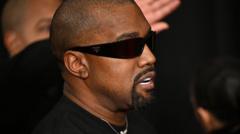
نهاية وشيكة لمسيرة فنية بسبب الكلمات؟ إلغاء حفل كاني ويست في بولندا يثير عاصفة!
في عالم الفن الصاخب، غالبًا ما تتجاوز الإبداعات حدود المعقول، لكن ماذا يحدث عندما تتجاوز الكلمات حدود الأخلاق؟ هذا هو السؤال الذي يطرحه إلغاء حفل مغني الراب العالمي كاني ويست في بولندا، في خطوة صادمة تعكس تداعيات التصريحات المثيرة للجدل التي أطلقها النجم، لتضع مسيرته الفنية اللامعة على المحك وتثير نقاشًا واسعًا حول مسؤولية المشاهير.
صدى الكلمات: من المسرح العالمي إلى قاعة الإلغاء
لم يعد كاني ويست مجرد اسم في عالم الموسيقى، بل بات رمزًا للاستقطاب والجدل، فبعد سلسلة من التصريحات التي وُصفت بأنها معادية للسامية ومؤيدة للنازية، والتي أثارت موجة غضب عارمة حول العالم، جاء قرار إلغاء حفله المخطط له في بولندا كضربة قوية إضافية لمكانته. لم تكن هذه التصريحات مجرد زلات لسان عابرة، بل كانت متكررة وواضحة، مما دفع المنظمين والجهات المسؤولة إلى اتخاذ موقف حاسم، مفضلين حماية القيم المجتمعية على الإيرادات المحتملة لحفل موسيقي. هذا الإلغاء ليس الأول من نوعه، بل هو حلقة في سلسلة من ردود الأفعال التي طالت ويست، من فسخ عقود تجارية ضخمة إلى تراجع شعبيته بشكل ملحوظ.
خط أحمر دولي: رفض بريطاني وتداعيات أوسع
تجاوزت تداعيات تصريحات كاني ويست حدود الدول والقارات، ففي خطوة غير مسبوقة، قررت الحكومة البريطانية منع مغني الراب من دخول أراضيها، مؤكدة بذلك موقفها الصارم ضد أي شكل من أشكال خطاب الكراهية، خاصة تلك التي تحمل طابعًا عنصريًا أو مؤيدًا لأيديولوجيات متطرفة كالنازية. هذا القرار ليس مجرد منع لدخول شخصية عامة، بل هو رسالة واضحة من دولة عريقة بأن حرية التعبير ليست مطلقة وتتوقف عند المساس بكرامة الآخرين وتاريخهم من المعاناة. يفتح هذا الإجراء الباب أمام تساؤلات حول مدى تأثير تصريحات المشاهير على حريتهم في التنقل والعمل، وكيف يمكن أن تتحول الكلمات من مجرد آراء إلى عوائق قانونية ودولية.
الفن والمسؤولية: هل هناك حدود لحرية التعبير؟
تضع قضية كاني ويست المجتمع العالمي أمام مفترق طرق بشأن العلاقة بين الفن وحرية التعبير والمسؤولية الاجتماعية. فبينما يرى البعض أن للفنان الحق المطلق في التعبير عن آرائه مهما كانت صادمة، يرى آخرون أن هذا الحق يجب أن يقترن بمسؤولية أخلاقية تجاه الجمهور، خاصة عندما يكون للفنان تأثير هائل على الملايين. إن إلغاء الحفلات ومنع الدخول ليس فقط عقابًا فرديًا، بل هو تذكير بأن المنصات الفنية ليست حصانة من المساءلة، وأن الكلمات لها وزنها وتداعياتها التي قد تتجاوز حدود المسرح وتؤثر على النسيج الاجتماعي بأسره. يمثل هذا التطور نقطة تحول في كيفية تعامل العالم مع خطاب الكراهية الصادر من شخصيات مؤثرة، مؤكدًا على أن المجد الفني لا يمكن أن يغطي على الإساءات الأخلاقية.
في ضوء هذه الأحداث المتسارعة، هل ترى أن هذه الإجراءات ضرورية لحماية المجتمعات من خطاب الكراهية، أم أنها تحد من حرية التعبير الفني؟ وما هو الدور الذي يجب أن تلعبه المؤسسات والجمهور في مثل هذه الحالات؟ شاركونا آراءكم!
— English version below —
The Silence of the Stage: Kanye West's Poland Concert Canceled Amidst Antisemitism Controversy
In the often-unpredictable world of entertainment, few figures provoke as much debate as Kanye West. Yet, a recent development has sent shockwaves through his fanbase and the music industry: the abrupt cancellation of his planned concert in Poland. This move isn't just about a missed performance; it’s a stark reminder of the escalating consequences of words in the public sphere, placing the acclaimed artist's career under intense scrutiny.
The Echo of Controversy: From Public Remarks to Concert Cancellations
Kanye West is no longer just a name in music; he has become a symbol of polarization and controversy. Following a series of remarks widely condemned as antisemitic and pro-Nazi, which sparked a massive wave of outrage globally, the decision to cancel his scheduled concert in Poland serves as another significant blow to his standing. These were not mere slips of the tongue but rather repeated and explicit statements, compelling organizers and authorities to take a decisive stance, prioritizing societal values over potential concert revenue. This cancellation is not an isolated incident but rather a link in a chain of reactions that have affected West, from the termination of lucrative commercial contracts to a noticeable decline in his popularity.
An International Stance: UK Ban and Broader Repercussions
The repercussions of Kanye West's statements have transcended national and continental borders. In an unprecedented move, the UK government decided to bar the rapper from entering its territory, thereby affirming its strict stance against any form of hate speech, especially that which carries racist undertones or supports extremist ideologies like Nazism. This decision is not merely about denying entry to a public figure; it is a clear message from an established nation that freedom of expression is not absolute and ceases when it infringes upon the dignity of others and their history of suffering. This action opens the door to questions about the extent to which celebrities' statements impact their freedom of movement and work, and how words can transform from mere opinions into legal and international barriers.
Art, Accountability, and the Limits of Free Speech
Kanye West's case places the global community at a crossroads regarding the relationship between art, freedom of expression, and social responsibility. While some argue that artists have an absolute right to express their views, no matter how shocking, others contend that this right


0 تعليقات