
مونديال 2026 في يومه الرابع: حين تطغى لغة المال على سحر الكرة.. هل فقدت البطولة هويتها؟
مع انطلاق صافرة اليوم الرابع من النسخة الأضخم تاريخياً لكأس العالم، لا تقتصر المواجهة على المستطيل الأخضر فحسب، بل تمتد لتكشف عن صراعات لوجستية واقتصادية تعيد تشكيل خارطة الرياضة الأكثر شعبية في العالم وسط تساؤلات عن جدوى التوسع الهائل.
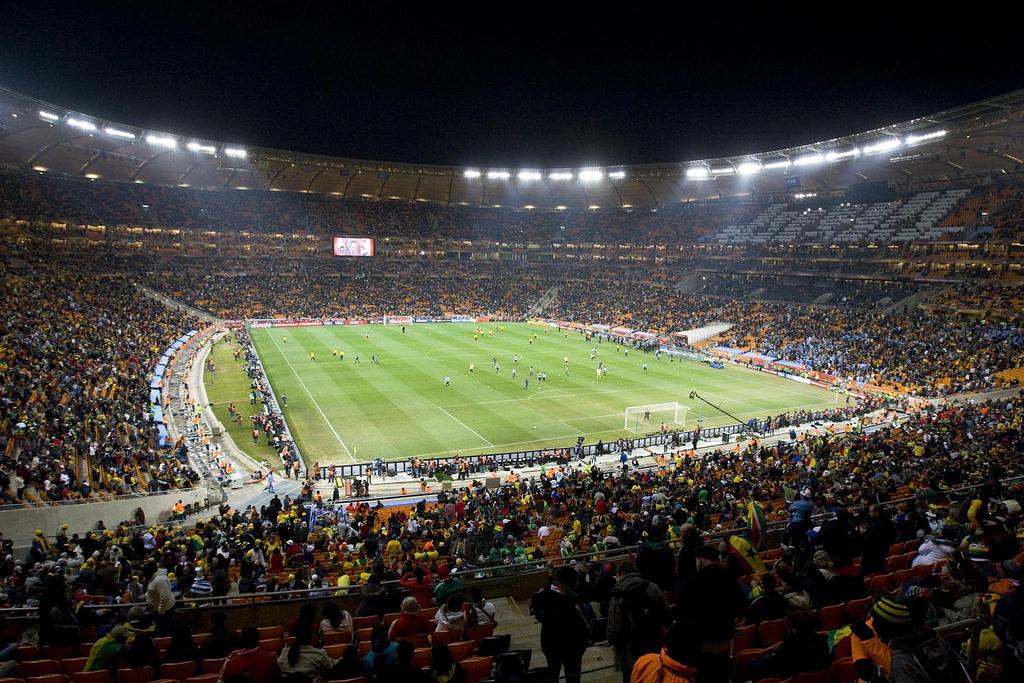
خلفية الحدث: ولادة العملاق الثلاثي
تمثل نسخة كأس العالم 2026، التي تستضيفها الولايات المتحدة والمكسيك وكندا، تحولاً جذرياً في تاريخ الساحرة المستديرة. فبعد عقود من الاستقرار على نظام الـ 32 منتخباً الذي بدأ في فرنسا 1998، قرر الاتحاد الدولي لكرة القدم (فيفا) في يناير 2017 توسيع القاعدة لتشمل 48 منتخباً. هذا القرار لم يكن رياضياً فحسب، بل كان استراتيجية جيوسياسية لتعزيز نفوذ كرة القدم في آسيا وأفريقيا، وزيادة عدد المباريات من 64 إلى 104 مباريات، مما جعلها البطولة الأطول والأكثر استهلاكاً للموارد في التاريخ.
مع حلول اليوم الرابع من البطولة، نجد أنفسنا أمام واقع جديد؛ حيث يشارك في هذا المونديال 16 مدينة مستضيفة (11 في الولايات المتحدة، 3 في المكسيك، واثنتان في كندا). تاريخياً، تطورت البطولة من 13 فريقاً في 1930 إلى 24 في 1982، وصولاً إلى الشكل الحالي. اليوم الرابع هو النقطة التي تبدأ فيها ملامح المجموعات في التشكل، حيث تظهر الفوارق الفنية بين القوى التقليدية والمنتخبات التي استفادت من نظام التوسعة الجديد، وسط ترقب لما إذا كان هذا النظام سيمنحنا "معجزات كروية" أم مجرد مباريات باهتة لسد الفراغ الزمني.
أبعاد المونديال: جغرافيا شاسعة وأرقام فلكية
الأبعاد الجغرافية لهذه البطولة لا تشبه أي نسخة سابقة؛ فهي تغطي مساحة تزيد عن 5000 ميل من فانكوفر شمالاً إلى مكسيكو سيتي جنوباً. في اليوم الرابع، يجد المشجعون والفرق أنفسهم في صراع مع فارق التوقيت الذي يصل إلى 4 ساعات بين بعض المدن المستضيفة، وتنوع مناخي يتراوح بين رطوبة ميامي وحرارة تكساس. اقتصادياً، يتوقع الفيفا تحقيق إيرادات قياسية تصل إلى 11 مليار دولار خلال دورة الميزانية (2023-2026)، وهو ما يمثل زيادة بنسبة 40% تقريبًا عن دورة قطر 2022، مدفوعة بضخامة السوق الاستهلاكية في أمريكا الشمالية.
على صعيد البنية التحتية، تُقام المباريات في ملاعب عالمية مثل ملعب "أزتيكا" الذي يدخل التاريخ باستضافته لثلاث افتتاحات مونديالية، وملعب "سوفي" في لوس أنجلوس الذي يعد تحفة تكنولوجية. لكن هذا التوسع له بُعد بيئي مثير للجدل؛ حيث تُقدر البصمة الكربونية الناتجة عن تنقل ملايين المشجعين بين ثلاث دول ضخمة بأنها الأعلى في تاريخ الرياضة. إن اليوم الرابع ليس مجرد يوم كروي، بل هو اختبار حقيقي لقدرة سلاسل الإمداد والخدمات اللوجستية على الصمود أمام ضغط جماهيري يقدر بنحو 6 ملايين مشجع سيزورون الملاعب على مدار البطولة.
التداعيات: اللاعبون كـ "سلع" في آلة المال
أولى تداعيات هذا النظام الموسع تظهر في الإرهاق البدني والذهني للاعبين. مع تمديد فترة البطولة إلى 39 يوماً، وزيادة عدد المباريات التي يجب على البطل خوضها إلى 8 مباريات بدلاً من 7، دقت نقابة اللاعبين المحترفين (FIFPRO) ناقوس الخطر. في اليوم الرابع، تبدأ علامات الإجهاد في الظهور على المنتخبات التي اضطرت لقطع مسافات طويلة بين معسكراتها التدريبية وملاعب المباريات، مما يطرح سؤالاً جوهرياً: هل نضحي بجودة كرة القدم من أجل كمية المباريات؟
اجتماعياً، هناك مخاوف من "تأثير النخبة"، حيث ارتفعت أسعار التذاكر والإقامة بشكل جنوني، مما قد يحرم المشجعين التقليديين من ذوي الدخل المحدود من حضور المباريات. وفي المقابل، تراهن الدول المستضيفة على خلق أكثر من 100 ألف وظيفة وتنشيط قطاع السياحة. لكن التداعيات الرياضية هي الأكثر خطورة؛ فدخول منتخبات ضعيفة فنياً قد يؤدي إلى نتائج كارثية (مثل 10-0 أو أكثر)، مما قد يضعف هيبة المونديال ويحوله إلى مهرجان تسويقي أكثر منه بطولة تنافسية شرسة تليق بمستوى كأس العالم.
الأطراف المعنية: صراع المصالح والنفوذ
الطرف الأول والأبرز هو الاتحاد الدولي لكرة القدم (FIFA) بقيادة جياني إنفانتينو، الذي يرى في هذا التوسع وسيلة لتمويل برامج تطوير الكرة في الاتحادات الصغيرة وضمان أصواتها الانتخابية. الطرف الثاني هو تحالف الدول الثلاث (USA, Canada, Mexico)، الذي يسعى لاستخدام المونديال كأداة للقوة الناعمة وإثبات التفوق التنظيمي. كل مدينة، من أتلانتا إلى تورونتو، تتنافس لإظهار قدرتها على استقطاب الاستثمارات العالمية من خلال هذه المنصة.
أما الطرف الثالث فهم الشركات الراعية والناقلون الحصريون مثل "فوكس سبورتس" و"تيلموندو"، الذين دفعوا مبالغ خرافية للسيطرة على حقوق البث في سوق هي الأغلى عالمياً. وفي الكواليس، تبرز شركات التكنولوجيا والبيانات التي تحلل كل حركة في الملعب لبيعها للمراهنات الرياضية التي أصبحت قانونية في أجزاء واسعة من أمريكا الشمالية. وأخيراً، يظل اللاعب والمشجع هما الطرف الأضعف في هذه المعادلة؛ حيث يُطلب من الأول تقديم أداء خارق وسط جدول مزدحم، بينما يُطلب من الثاني دفع مبالغ طائلة للحصول على مقعد في المدرجات.
الموقف والتحليل: المونديال فقد روحه في الطريق إلى البنك
في "عالم محير 83"، نرى أن مونديال 2026 في يومه الرابع يكشف عن حقيقة مرة: كرة القدم لم تعد ملكاً للمشجعين، بل أصبحت رهينة لمجالس الإدارات والشركات العابرة للقارات. إن سياسة "الأكثر هو الأفضل" التي يتبعها الفيفا تقتل سحر البطولة. قديماً، كان التأهل للمونديال إنجازاً تاريخياً يتطلب عرقاً ودموعاً، أما الآن، ومع تأهل ما يقرب من ربع دول العالم، فقدت التصفيات قيمتها، وبدأت البطولة تفتقد إلى التكثيف الدرامي الذي كان يجعل من كل مباراة "حياة أو موت".
نحن أمام نسخة "رأسمالية" بامتياز، حيث يتم تفصيل القوانين واللوائح لخدمة العوائد المادية. الموقف هنا واضح: التوسع في عدد الفرق هو فخ سياسي ومادي يهدد المستوى الفني للعبة. إذا استمر هذا النهج، فقد نرى مستقبلاً بطولة بـ 64 فريقاً، وحينها ستتحول كأس العالم إلى مجرد "أسبوع موضة" رياضي لا قيمة فنية له. التحليل الواقعي يقول إن اليوم الرابع هو مجرد قمة جبل الجليد؛ فالتحديات اللوجستية والمالية ستستمر في التصاعد، والمستفيد الوحيد هو خزائن الفيفا، بينما الخاسر الأكبر هو روح اللعبة التي كانت توحد العالم خلف كرة واحدة وقلب واحد.
World Cup 2026 Day 4: When Money Trumps the Magic - Has the Tournament Lost Its Identity?
As the fourth day of the largest World Cup in history unfolds, the competition extends beyond the pitch, revealing logistical and economic struggles that are reshaping the world's most popular sport amidst questions about the feasibility of such massive expansion.
Background of the Event
The 2026 FIFA World Cup, hosted jointly by the United States, Mexico, and Canada, marks a radical shift in the history of international football. After decades of a 32-team format that provided a balance between quality and inclusivity, FIFA decided to expand the tournament to 48 teams. This decision, finalized in January 2017, increased the number of matches from 64 to 104, making it the longest and most resource-intensive tournament ever staged. By the fourth day, the tournament is already testing the logistical limits of the 16 host cities across three North American nations.
Historically, the World Cup has evolved since its inception in 1930 with 13 teams, moving to 24 in 1982 and 32 in 1998. The current expansion is not merely a sporting decision but a geopolitical one, aimed at increasing football's footprint in Asia and Africa. However, the move has been met with skepticism regarding the quality of football, as many fear the 'dilution' of the competition's prestige. Day 4 represents the end of the first round of matches for many groups, highlighting the stark contrast between traditional giants and the influx of newcomers invited by the new format.
Dimensions and Scale
The scale of this tournament is unprecedented, covering a geographical area of nearly 5,000 miles from Vancouver, Canada, to Mexico City. On this fourth day, fans and teams are grappling with the reality of crossing multiple time zones and varying climates. The financial dimension is equally staggering; FIFA expects to generate approximately $11 billion in revenue from this cycle, nearly $4 billion more than the 2022 Qatar World Cup. This revenue is driven by a massive increase in ticket sales, broadcasting rights, and corporate sponsorships attracted by the vast North American market.
From an infrastructure perspective, the 16 stadiums—ranging from the iconic Estadio Azteca in Mexico to the high-tech SoFi Stadium in California—represent a combined seating capacity of over 1 million for the duration of the tournament. The environmental dimension is also under scrutiny. The carbon footprint of transporting millions of fans across three large countries is a major concern for environmentalists, despite FIFA’s promises of sustainability. Day 4 often serves as a barometer for how these logistical plans are holding up under the pressure of real-time operations and fan movement.
Consequences and Impact
The immediate consequence of the 48-team format is the physical and mental toll on the athletes. With the tournament duration extended to 39 days, players who are already exhausted from grueling domestic seasons in Europe and South America are being pushed to their limits. FIFPRO, the global players' union, has repeatedly warned that the lack of recovery time could lead to increased injury rates. On Day 4, the fatigue factor starts to become visible, especially for teams that had to travel long distances between their training camps and match venues.
Socially, the tournament is expected to create over 100,000 jobs across the host nations and contribute billions to local economies. However, there are concerns about 'gentrification' around stadiums and the rising cost of attendance, which may alienate traditional working-class fans. For the participating nations, reaching the World Cup provides a massive boost to national pride and local football infrastructure development, but for the 'smaller' nations, a heavy defeat on the world stage could have the opposite effect on their sporting morale.
The Stakeholders
The primary stakeholder is FIFA, led by Gianni Infantino, whose legacy is tied to the success of this expanded format. For FIFA, the goal is global expansion and maximizing profit to fund football development programs worldwide. The second group of stakeholders includes the host governments and organizing committees of the USA, Canada, and Mexico, who view the tournament as a tool for soft power and economic stimulation. Each city, from New York to Monterrey, is competing to showcase its hospitality and infrastructure to a global audience of billions.
Then there are the commercial stakeholders: broadcasting giants like FOX, Telemundo, and various global streamers who have paid record sums for rights. Sponsors such as Coca-Cola, Adidas, and newer tech partners are leveraging the tournament's massive reach. Finally, the most important stakeholders—the players and the fans—are often caught in the middle. Fans are facing unprecedented costs for travel and tickets, while players are navigating a high-stakes environment where the quality of play might be sacrificed for the quantity of matches.
Position and Analysis
Our analysis at 'Alam Muhayer 83' suggests that while the 2026 World Cup is a commercial masterstroke, it risks becoming a 'quantity over quality' event. The expansion to 48 teams feels less like a celebration of global football and more like a corporate expansion strategy. By Day 4, the initial excitement is often overshadowed by the realization that some matches lack the intensity associated with the World Cup. The 'magic' of the tournament traditionally came from its exclusivity; by opening the doors so wide, FIFA may have inadvertently lowered the stakes.
Furthermore, the logistical complexity of a three-nation host system raises serious questions about the future of the tournament. Can only giants like North America or China host such events? This format effectively excludes smaller nations from ever hosting alone. In conclusion, while the revenue figures will likely break records, the soul of the game is at a crossroads. Football must decide if it is a sport for the many or a business for the few. The results from the pitch are only half the story; the real game is being played in boardrooms and through logistical spreadsheets.
المصدر: عالم محير٨٣ — abuomer83.com


0 تعليقات