
مغناطيس الموت البيولوجي: لماذا اختارك البعوض لتكون ضحيته القادمة؟
بينما ننشغل بصفع الهواء، كشفت جامعة روكفلر عن شيفرة كيميائية تجعل بعضنا 'مغناطيساً' حقيقياً للبعوض القاتل؛ فهل نحن أمام قدر بيولوجي لا يمكن الفرار منه أم ثغرة علمية قد تنقذ الملايين؟
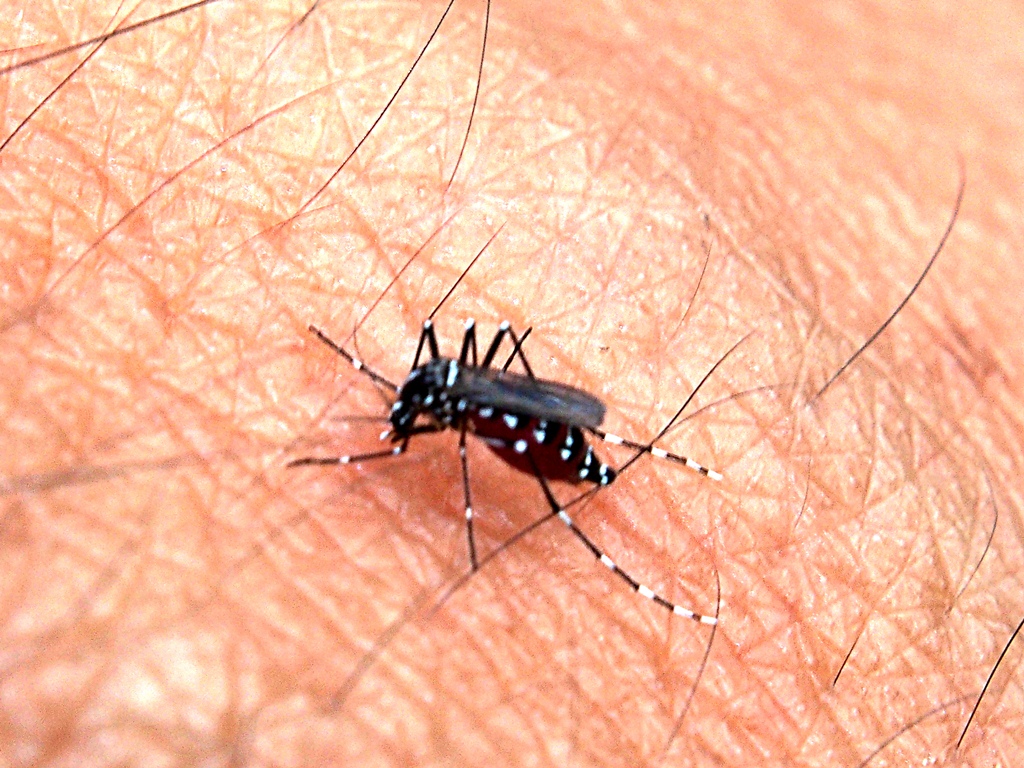
خلفية الحدث: لغز الجاذبية القاتلة عبر العقود
على مدار عقود، ظل التساؤل حول سبب انجذاب البعوض لأشخاص دون غيرهم حبيس التكهنات الشعبية، من فصيلة الدم إلى تناول السكريات. لكن في عام 2022، حسمت دراسة رائدة أجرتها جامعة روكفلر في نيويورك، بقيادة عالمة الأعصاب ليزلي فوشال والباحثة ماريا إلينا دي أوبالديا، هذا الجدل. الدراسة التي نشرت في دورية 'Cell' المرموقة، لم تكن مجرد تجربة عابرة، بل استمرت لثلاث سنوات من الاختبارات الدقيقة باستخدام آلية 'البطولة' لتصنيف جاذبية البشر.
اعتمد الباحثون على مطالبة 64 متطوعاً بارتداء جوارب نايلون حول سواعدهم لمدة ست ساعات يومياً لالتقاط رائحة الجلد البشرية. ثم وُضعت هذه الجوارب في أنابيب منفصلة أمام مئات من بعوض 'Aedes aegypti' (البعوضة الزاعجة المصرية). النتائج كانت صادمة؛ حيث وجد العلماء أن هناك 'مغناطيسات بشرية' تجذب البعوض بنسبة تصل إلى 100 ضعف مقارنة بالمشاركين الأقل جاذبية. الأهم من ذلك، أن هذا الملف التعريفي للرائحة ظل ثابتاً لدى الأشخاص عبر سنوات الاختبار، مما يشير إلى أن الجاذبية ليست مرتبطة بما نأكله، بل بكيمياء أجسادنا المتأصلة.
أبعاد الخبر: الكيمياء المختبئة في مسام الجلد
تتمحور أبعاد هذا الاكتشاف حول 'الأحماض الكربوكسيلية'. هذه المركبات العضوية هي جزء من الزهم (الإفرازات الدهنية) التي ينتجها الجلد للحفاظ على ترطيبه وحمايته. البشر ينتجون هذه الأحماض بكميات متفاوتة، ولكن 'مغناطيسات البعوض' ينتجونها بمستويات أعلى بكثير. تقوم البكتيريا الطبيعية الموجودة على الجلد بمعالجة هذه الأحماض، مما ينتج عنه 'كوكتيل' عطري لا يستطيع البعوض مقاومته، حتى من مسافات بعيدة.
البعد العلمي الأعمق يكمن في قدرة البعوضة الفائقة على الرصد. اكتشف فريق فوشال أن البعوض يمتلك مجموعتين مكررتين من مستشعرات الروائح. وعندما حاول العلماء هندسة البعوض جينياً لتعطيل أحد هذه المستشعرات، ظل البعوض قادراً على تحديد 'المغناطيسات البشرية' بدقة. هذا يعني أن نظام التعقب لدى البعوض يتمتع بمرونة بيولوجية هائلة (Redundancy)، مما يجعل من الصعب جداً خداعه باستخدام الوسائل التقليدية، ويؤكد أننا نواجه خصماً تطور عبر ملايين السنين ليقتات علينا تحديداً.
التداعيات: ضريبة بيولوجية تُدفع بالأرواح والمليارات
تتجاوز تداعيات هذا الخبر حدود 'الحكة' المزعجة لتصل إلى تهديد الأمن الصحي العالمي. البعوض هو الكائن الأكثر فتكاً بالبشر على وجه الأرض، حيث يتسبب في وفاة أكثر من مليون شخص سنوياً. ووفقاً لمنظمة الصحة العالمية، سُجلت حوالي 247 مليون حالة إصابة بالملاريا في عام 2021 وحده، أدت لوفاة 619 ألف شخص. الأشخاص 'الجذابون' للبعوض ليسوا مجرد ضحايا لقرصات أكثر، بل هم 'مراقبون فائقون' ينشرون العدوى بشكل أسرع في مجتمعاتهم.
اقتصادياً، تفرض هذه الجاذبية البيولوجية أعباءً هائلة. في دول مثل البرازيل وفيتنام، تُنفق الحكومات مليارات الدولارات سنوياً لمكافحة حمى الضنك وفيروس زيكا. إذا استمر العلم في تجاهل التفاوت البيولوجي بين البشر في الجاذبية للبعوض، فإن استراتيجيات الوقاية العامة ستظل قاصرة. نحن بحاجة إلى تحول في السياسات الصحية من 'الوقاية للجميع' إلى 'الحماية الشخصية المكثفة' لأولئك الذين يشكلون بيئة خصبة لجذب النواقل الأمراض، لتطويق بؤر الانتشار قبل توسعها.
الأطراف المعنية: صراع بين المختبرات والطبيعة
تتعدد الأطراف في هذا المشهد المعقد؛ فمن جهة نجد المؤسسات البحثية الكبرى مثل جامعة روكفلر ومعهد هوارد هيوز الطبي الذين يفككون الشيفرة. ومن جهة أخرى، نجد شركات العملاقة في مجال الصناعات الكيميائية مثل 'SC Johnson' التي تعتمد على هذه الأبحاث لتطوير طاردات بعوض أكثر فعالية. كما تلعب مؤسسة بيل وميليندا غيتس دوراً محورياً عبر تمويل أبحاث التعديل الجيني للبعوض للقضاء على قدرته على نقل الأمراض.
أما الطرف الغائب الحاضر فهو الملايين من سكان المناطق المدارية في إفريقيا وجنوب شرق آسيا، الذين لا يملكون ترف شراء طاردات البعوض المتطورة. هؤلاء هم الأطراف الأكثر تضرراً من 'اللامساواة البيولوجية'. وبالطبع، تظل البعوضة (خاصة الأنوفيلة والزاعجة) هي الطرف 'المتذاكي' الذي يطور مقاومة مستمرة للمبيدات الحشرية، مما يضع العلماء في سباق محموم مع الزمن لتغيير قواعد اللعبة قبل حدوث طفرات وبائية جديدة.
الموقف والتحليل: فشل المنظومة في حماية 'الأهداف السهلة'
بصفتي محرراً في 'عالم محير٨٣'، أرى أن هذا الاكتشاف العلمي هو إدانة صريحة لبطء الابتكار في مجال الصحة العامة. من غير المقبول أننا في عام 2024، ومع كل هذا التقدم التقني، لا نزال نعتمد بشكل أساسي على مادة 'DEET' التي طُورت في أربعينيات القرن الماضي كحل وحيد. إن التركيز على اكتشاف 'لماذا ينجذب البعوض' هو خطوة أولى ممتازة، لكن الوقوف عندها دون تقديم 'درع بيولوجي' هو تقاعس علمي. نحن بحاجة إلى ثورة في 'تعديل ميكروبيوم الجلد' أو ابتكار حبوب تمنع إفراز الأحماض الكربوكسيلية الجاذبة بشكل مؤقت.
التحليل الصريح يشير إلى أن العلم كشف لنا أننا لسنا متساوين أمام البعوض؛ فبعضنا وُلد بـ 'نظام استدعاء' للموت المتنقل. هذا يفرض معضلة أخلاقية: هل يجب فحص البشر وتصنيفهم حسب جاذبيتهم للبعوض؟ وهل سيؤدي ذلك إلى تمييز تأميني أو صحي؟ الرأي الجريء هنا هو أن الحل لن يكون في قتل البعوض -الذي أثبت فشله- بل في 'إخفاء البشر'. يجب أن تتحرك الاستثمارات نحو 'التمويه الكيميائي' بدلاً من المبيدات التقليدية. إن فك شفرة الأحماض الكربوكسيلية يجب أن يكون بداية النهاية لعصر 'مغناطيسات الموت'، وإلا فإننا نترك الفئات الأكثر عرضة للخطر لمواجهة قدرهم البيولوجي بصدور عارية.
Biological Death Magnets: Why Mosquitoes Choose You as Their Next Victim
While we struggle with itchy bites, Rockefeller University has decoded the chemical signals that make some individuals 'mosquito magnets.' This discovery raises critical questions: is our attractiveness to pests a biological destiny or a scientific loophole that could save millions?
Background: The Decades-Long Mystery
For decades, the scientific community has grappled with the question of why some individuals are relentlessly pursued by mosquitoes while others remain virtually untouched. This phenomenon, often dismissed as anecdotal, gained rigorous scientific backing through a landmark study led by researchers at Rockefeller University in New York. Published in the journal *Cell* in late 2022, the research led by Leslie Vosshall and Maria Elena De Obaldia utilized a multi-year 'round-robin' tournament to identify what makes a person a 'mosquito magnet.'
The study involved participants wearing nylon stockings on their arms to capture their unique skin odors. These scents were then presented to *Aedes aegypti* mosquitoes—the primary vectors for Zika, dengue, and yellow fever. The results were staggering, showing that certain individuals were over 100 times more attractive to the insects than their peers, a profile that remained consistent over several years regardless of changes in diet or hygiene habits.
Dimensions: The Chemical Profile of Attraction
The core of this attraction lies in the skin's chemistry, specifically the production of carboxylic acids. These organic compounds are part of the skin's natural sebum, the oily layer that protects and hydrates our largest organ. While these acids are essential for skin health, they are metabolized by resident bacteria into a specific scent profile that mosquitoes find irresistible. People with high levels of these acids on their skin are the ones who find themselves constantly swatting away pests.
Furthermore, the research highlights that this isn't just about one or two chemicals. It is a complex 'bouquet' of odors. The *Aedes aegypti* mosquito uses a sophisticated array of sensors to detect these blends. Even when researchers attempted to genetically engineer mosquitoes to lack certain odor receptors, the insects still found a way to locate the 'high-attractors,' suggesting a redundant and highly evolved biological tracking system that ensures the mosquito's survival at the expense of human comfort and health.
Consequences: From Itching to Global Epidemics
The implications of being a 'mosquito magnet' extend far beyond mere annoyance. Mosquitoes are the deadliest animals on Earth, responsible for over 1 million deaths annually. According to the World Health Organization (WHO), malaria alone claimed approximately 619,000 lives in 2021. When a person is highly attractive to mosquitoes, they don't just get bitten more; they become a central node in the transmission of diseases like West Nile virus, Chikungunya, and Malaria.
Economically, the burden is colossal. Countries in tropical and subtropical regions lose billions of dollars in productivity and healthcare costs. The realization that some people are genetically or biologically predisposed to attract these vectors means that public health strategies may need to shift from general prevention to targeted protection for those identified as high-risk attractors. If we can't hide the scent, we must find a way to mask it or neutralize the mosquito's interest.
Involved Parties: Researchers and Global Health Giants
The primary actors in this scientific drama include the Rockefeller University's Laboratory of Neurogenetics and Behavior, and the Howard Hughes Medical Institute. These institutions provide the foundational data that pharmaceutical and biotech companies, such as SC Johnson or newer startups, use to develop the next generation of repellents. On the global stage, the Bill & Melinda Gates Foundation plays a pivotal role, funding research into gene-drive technologies and innovative mosquito control methods.
On the other side of the equation are the mosquitoes themselves, particularly the *Aedes aegypti* and *Anopheles* species, which have evolved for millennia to exploit human biology. Finally, the most vulnerable parties are the populations in sub-Saharan Africa and Southeast Asia, where the lack of access to high-end repellents and medical care turns a biological trait—high carboxylic acid production—into a potential death sentence.
Analysis and Position: The Failure of Universal Protection
The discovery of the 'mosquito magnet' phenomenon is a double-edged sword. While it provides a clear target for future research, it also exposes a glaring failure in our current approach to global health. For years, we have relied on 'one-size-fits-all' solutions like DEET or bed nets, ignoring the biological inequality that makes some individuals far more vulnerable. My analysis suggests that we are at a critical juncture: we must move away from passive protection and toward active biological masking.
It is frankly unacceptable that in 2024, our best defense is still a chemical spray developed in the mid-20th century. If we know that carboxylic acids are the signal, why are we not focusing on skin-microbiome transplants or topical treatments that neutralize these specific acids? The 'confusing' reality is that we understand the enemy's navigation system better than ever, yet we remain largely defenseless. We need a 'biological cloak' that levels the playing field, ensuring that being a 'magnet' is no longer a biological liability.
المصدر: عالم محير٨٣ — abuomer83.com


0 تعليقات